
Temp Number for SMS Verification (2026): What Actually Works
Temp Number for SMS Verification (2026): What Actually Works
Quick honesty up front: TempoMailUSA doesn't offer temp numbers. We're an email-only service. If you landed here looking for a phone number from us, we can't help — but I can save you from wasting an afternoon on the wrong tools, because I've spent way too much time in this exact rabbit hole. Here's what a temp number actually is, why the free options almost always fail at SMS verification, and what to do instead when email verification is all you really need.
What Is a Temp Number, Anyway?
A temp number (short for temporary phone number, sometimes called a disposable phone number) is exactly what it sounds like: a phone number you use for a while, then abandon. Same idea as temp mail, but for SMS instead of email.
People reach for them for the same reasons they reach for disposable email addresses. You want to verify an account on some app without handing over your real number. You don't want marketing texts haunting you for three years. You just need the one-time code, and then you never want to hear from that service again. Sound familiar?
There are two main flavors. Free receive-SMS websites publish a handful of shared numbers and display every incoming text on a public page — no signup needed. Paid services rent you a private number (usually per-verification or per-month) that only you can use. There's also a middle ground: VoIP apps that give you a second line for cheap, which some people use as a semi-permanent "burner."
The key difference between these options comes down to one thing: whether the number is shared or private. And that difference is the whole ballgame when it comes to verification. More on that in a minute.
Do Free Temp Numbers Actually Work for SMS Verification?
Here's the uncomfortable truth: almost never. I know that's not what you wanted to hear.
Free SMS-receive sites sound perfect on paper. Pick a country, grab a number, paste it into the signup form, and read the code off the public inbox. For one-time newsletter signups or non-verification use cases, they sometimes work fine. But the moment you need a temp number for verification — WhatsApp, Telegram, Google, banks, anything with real security — it falls apart.
Why? Because those numbers are shared with thousands of people. And the big platforms know about them. Meta, Google, and every serious service maintain blacklists of known temporary number ranges. When a code gets sent to one of these numbers, one of three things happens: the code never arrives at all, the platform refuses to send it ("this number can't be used"), or — worst case — someone else already registered that number on the same service and you're locked out or worse.
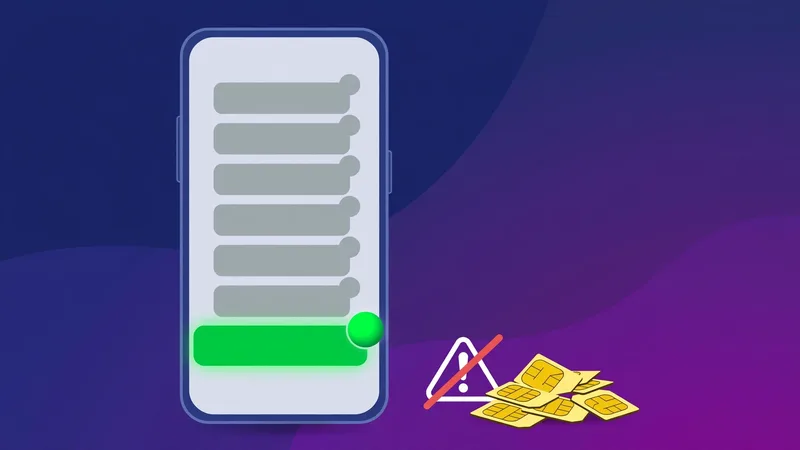
Think about it from the platform's side. If you're running WhatsApp, would YOU accept verification codes on a public number that 40,000 strangers are watching? Of course not. That's a fraud factory. The blacklist isn't a bug in the free sites — it's the entire ecosystem working as intended.
In my experience, the only time free temp numbers reliably work is for services with zero fraud concern — think newsletter signups, trial accounts, contest entries. The second money, identity, or messaging is involved, expect disappointment.
Free vs Paid Temp Number Services: An Honest Breakdown
So if free is out, is paid worth it? Sometimes. Here's how the options actually stack up:
- Free receive-SMS sites: Cost you nothing, fail at most real verifications, and your incoming texts are public. Anyone can read your codes. I wouldn't touch these for anything tied to money or identity. (Honestly, I'd barely touch them at all.)
- Pay-per-verification services: Typically $0.10–$2 per SMS code. You rent a private number for a few minutes, receive the code, done. These have the highest success rate because the number is actually yours during the rental. The catch: quality varies wildly between providers, and some numbers are recycled so aggressively they're effectively blacklisted anyway.
- Monthly virtual numbers: $3–$15/month for a private VoIP number you keep. Great if you need ongoing access (account recovery codes, re-verification). Overkill for a one-off signup.
- eSIM / prepaid data SIMs: The nuclear option. A real mobile number that nothing can blacklist. Costs more and requires ID in many countries, which kind of defeats the privacy purpose.
My honest take: if you need a phone verification code for a legit account you'll actually keep, pay-per-verification services are the only temp-number route I'd consider. Everything free is a lottery ticket with terrible odds.
Temp Number vs Temp Email: When Email Wins (Most of the Time)
Here's the thing most "temp number" guides won't tell you: a huge percentage of the time, you don't need a phone number at all.
Plenty of services offer email verification as an alternative to SMS. Forums, Discord (in many cases), gaming accounts, newsletters, app trials, SaaS signups — email works for all of these. And that's where tempomailusa.com comes in: a free temporary email inbox that receives verification codes in seconds, with 220+ domains to choose from.
Compare the friction: a disposable phone number costs you money (or your time fighting free sites) and still might fail. A temp email? Click a button, paste the address, read the code. Done. For email-verifiable signups it's not even close — email is faster, free, and more reliable.
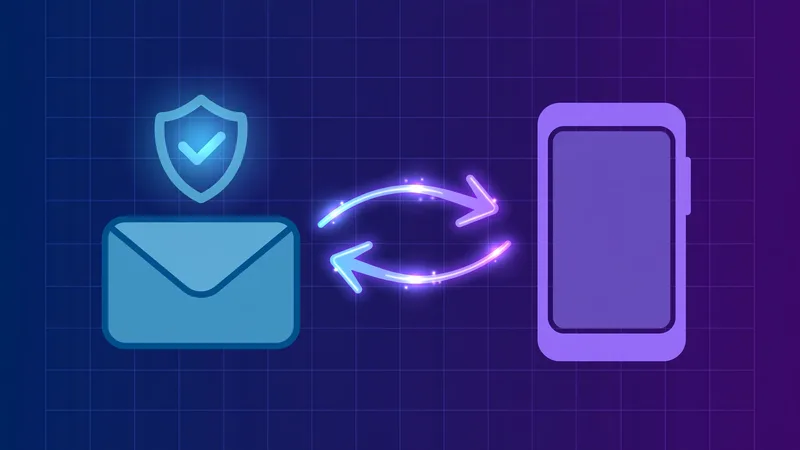
We see this pattern constantly. Someone searches for a temporary phone number, tries three free SMS sites, watches all three fail, then discovers the service accepted email all along. Don't be that person. Check for the email option first. It's the move I'd recommend to a friend, and it's the move I'm recommending to you.
That said, if the service is phone-only — WhatsApp, some banks, a few ride-share apps — then email can't save you. No way around it. That's when you look at the paid number options above, not the free lottery.
The Safety Stuff Nobody Tells You About Temp Numbers
Let me be blunt for a second, because this matters. Temporary numbers have real risks that the "free SMS online" crowd glosses over.
Account recovery is the big one. If you verify an account with a number you no longer control, you can't recover that account later. Forgot password? The reset code goes to a number owned by a stranger (or recycled to someone new). This is how people lose accounts permanently. If the account matters at all, use a number you control or read up on what makes disposable verification risky before committing.
Recycled numbers are a silent nightmare. Paid temp numbers get recycled to the next customer. The previous user might still have accounts tied to it — including yours, if you verified with it. I've seen people get login attempts and password-reset texts meant for the number's previous owner. Not fun.
Free sites are public by design. Every SMS received on a free site is visible to anyone who opens the page. If a verification code lands there, it's readable by the whole internet. For a throwaway forum account, whatever. For anything with your name or money attached — absolutely not.
2FA on a temp number is asking for trouble. Two-factor authentication tied to a disposable number is worse than no 2FA, because it gives you false confidence. Lose the number, lose the account. Real 2FA should live on a device or number you actually own.
None of this means temp numbers are evil. They're a tool. Just use them for low-stakes, short-lived signups — and never for banking, primary email, or anything you'd cry about losing. The same caution applies to temp mail, by the way; we covered Discord verification with the same "know what you're signing up for" energy.
FAQ: Temp Numbers for SMS Verification
What is a temp number?
A temp number is a temporary or disposable phone number used short-term — usually to receive an SMS verification code without exposing your real number. They come from free public receive-SMS sites, paid per-code services, or monthly virtual number subscriptions.
Do free temp numbers work for SMS verification?
Usually not. Free receive-SMS sites use shared numbers that major platforms like Google, Meta, and WhatsApp actively blacklist. Codes often never arrive or the platform rejects the number outright. Free numbers work best for low-stakes signups with no fraud checks.
Can I use a temp number for WhatsApp verification?
Free temp numbers almost never work for WhatsApp — the numbers are blacklisted. Paid private numbers sometimes work but get blocked frequently, and WhatsApp may flag the account. If you need WhatsApp, a real SIM or eSIM is the reliable route.
Are temp numbers legal?
Generally yes — using a temporary phone number isn't illegal in most countries. But using one to evade fraud detection, create fake accounts at scale, or bypass bans can violate a platform's terms of service and get you banned. Use them for legitimate privacy, not rule-dodging.
What's the difference between a temp number and a temp email?
A temp number receives SMS verification codes; a temp email receives email verification codes. Email is usually faster, free, and more reliable — many services accept either. If a signup offers email verification, a free temp email from tempomailusa.com beats a paid phone number every time.
Can someone steal my account if I verify with a temp number?
It's possible, which is the real risk. If you lose access to the number, you can't receive recovery codes — and if the number gets recycled, a stranger could receive YOUR reset codes. Never use a temporary number for banking, primary email, or any account you can't afford to lose.
Need a disposable temporary email?
Protect your real inbox from spam and promotional clutter instantly and free.
Received a suspicious email, text, or charge alert?
Verify whether the sender domain is disposable, spoofed, or unverified before clicking links.